
Pleasure Shot (PRP Therapy)
Expert care by Dr. Hiba Gul at MyLadyDoc
Book Appointment11+ Years Experience • Board Certified
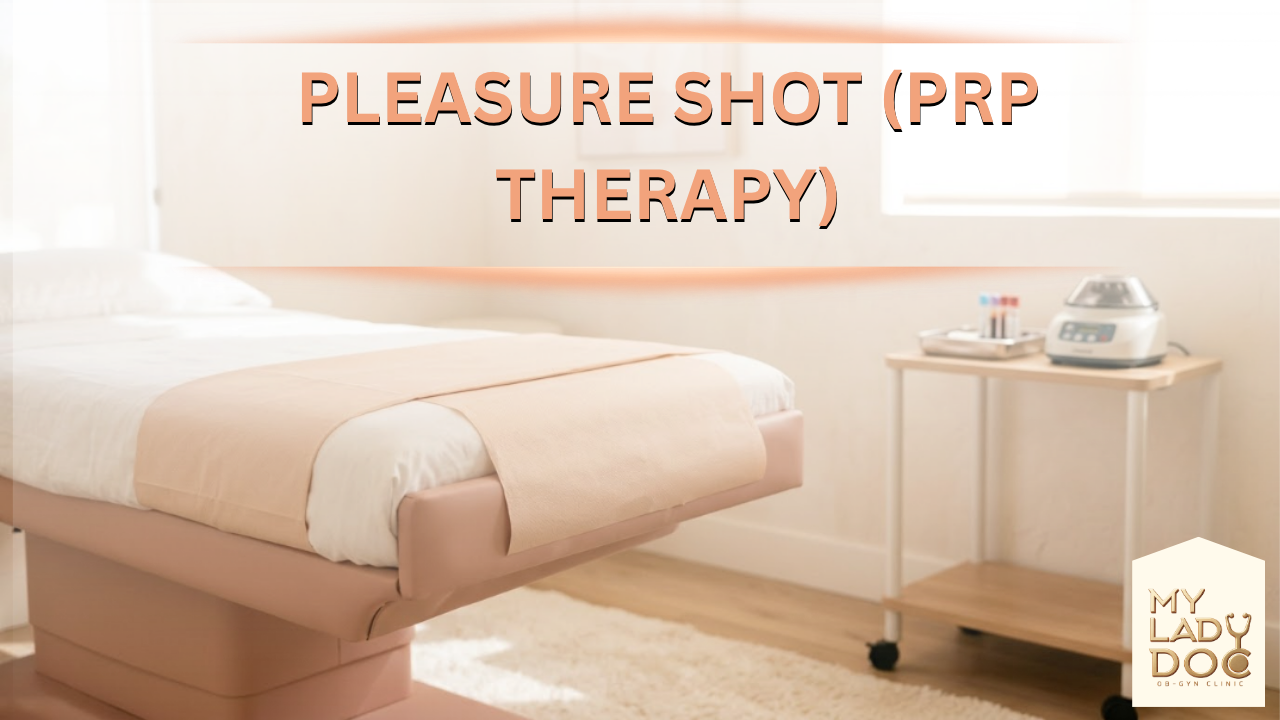
Pleasure Shot, also known as intimate PRP therapy, is a platelet-rich plasma treatment that uses a patient's own blood to prepare a concentrated plasma product containing platelets and growth factors. It may be offered as an intimate wellness treatment for selected women who have concerns about sexual wellbeing, tissue sensitivity or certain intimate symptoms. PRP has been used in different areas of medicine because platelets contain biological substances involved in tissue repair. In intimate wellness, PRP treatment is intended to support a localized tissue response. That said, PRP therapy is not a guaranteed treatment for sexual dysfunction or reduced sexual satisfaction. Research into female sexual health applications is still developing, and results can vary between individuals.
At MyLadyDoc in Bangalore, women can discuss intimate concerns confidentially with Dr. Hiba Gul, understand whether PRP therapy may be appropriate, and learn about potential benefits, limitations, risks and alternatives.
What Is a Pleasure Shot?
A Pleasure Shot is a term commonly used for a PRP-based intimate wellness treatment. PRP stands for platelet-rich plasma, prepared from a small sample of the patient's own blood. The blood is processed to separate the platelet-rich plasma from other components, and the prepared PRP may then be administered to selected intimate tissues according to the treatment plan. Because the treatment uses the patient's own blood, it's considered an autologous treatment. The exact technique, treatment area and protocol depend on the provider and the individual's clinical assessment.
How Does PRP Therapy Work?
PRP contains platelets and various growth factors involved in the body's natural tissue-repair processes. During PRP therapy, a small amount of blood is collected and processed to concentrate the platelets, and the resulting preparation is then used for the intended treatment area. In intimate wellness applications, the goal is to support a localized biological response in the treated tissue. The proposed mechanism differs from that of a conventional cosmetic filler or surgical procedure, though the biological rationale for PRP doesn't mean every patient will experience the same clinical benefit.
Why Do Women Consider Pleasure Shot PRP Therapy?
Women may explore PRP therapy for different personal reasons. Some notice changes in intimate sensitivity or sexual wellbeing. Others are interested in non-surgical options after childbirth or during changes associated with aging. Concerns that may lead a woman to discuss PRP treatment include changes in intimate sensitivity, concerns about sexual wellbeing, certain intimate tissue concerns, changes following childbirth, age-related intimate changes, or interest in a non-surgical treatment option. The underlying cause of a symptom matters here. Pain during intercourse, vaginal dryness or reduced sexual desire can have multiple causes, and PRP treatment should not automatically be considered the solution for every intimate symptom.
Consultation and Assessment
A confidential consultation is an important first step before considering Pleasure Shot treatment. During the consultation, you can explain your concerns and discuss what you'd like to improve. Your doctor may ask about your main symptoms, medical history, pregnancy and childbirth history, hormonal changes, menstrual history, vaginal dryness, pain or discomfort, sexual health concerns, previous gynecological procedures, current medications, and treatment expectations. An examination may be recommended depending on your symptoms. The purpose of the consultation is to understand the concern and determine whether PRP is an appropriate option. If an underlying medical, hormonal or pelvic floor condition is suspected, that issue should be evaluated separately.
Who May Consider Pleasure Shot PRP Therapy?
An adult woman with a specific intimate wellness concern may discuss PRP therapy with a qualified gynecologist. PRP may be considered by women looking for a non-surgical approach to selected intimate concerns. That said, not every woman will be a suitable candidate. Suitability can depend on overall health, medical history, current medications, the nature of the concern, presence of infection or inflammation, and treatment expectations, which is why a personalized assessment is important before proceeding.
How Is Pleasure Shot PRP Therapy Performed?
The treatment generally begins with collection of a small amount of the patient's blood. The blood is then processed using an appropriate preparation method to separate the platelet-rich plasma, which is subsequently administered to the planned treatment area using a clinical technique selected by the healthcare provider. The exact treatment process can vary depending on the protocol and the individual's needs. Before treatment, your doctor should explain the steps involved, expected sensations, potential benefits, risks and aftercare requirements.
Is Pleasure Shot a Surgical Procedure?
PRP therapy is generally considered a non-surgical treatment. It doesn't involve conventional surgical cutting or removal of tissue. Because injections may be involved, however, it's still a medical procedure and should be performed using appropriate clinical standards, carried out by a qualified healthcare professional in an appropriate clinical environment.
Potential Benefits of Pleasure Shot PRP Therapy
Potential benefits vary between individuals. PRP therapy may be considered with the goal of supporting intimate tissue health, selected sensitivity concerns, certain sexual wellness concerns, tissue response following age-related changes, and certain postpartum intimate concerns. Some women may report improvements following treatment, but results are not guaranteed. The evidence for PRP in female sexual health and intimate wellness is still developing, so treatment should be discussed in terms of potential benefits rather than guaranteed outcomes.
Pleasure Shot and Sexual Wellbeing
Sexual wellbeing involves much more than tissue sensitivity. Desire, arousal, orgasm, comfort and satisfaction can be influenced by physical health, hormones, medications, emotional wellbeing, relationships and many other factors. PRP therapy cannot guarantee improved sexual pleasure or orgasm. If reduced desire, pain during intercourse or difficulty reaching orgasm is the main concern, it may be useful to evaluate the broader factors involved. A gynecological consultation can help determine whether the concern relates to hormonal, physical, pelvic floor or other factors.
Pleasure Shot After Childbirth
Pregnancy and childbirth can result in changes in the pelvic floor, vaginal tissues and intimate sensation. Some women explore non-surgical treatments after childbirth because they feel their intimate wellbeing has changed. However, postpartum concerns can have different causes. Pelvic floor weakness, vaginal dryness, hormonal changes, scar tissue and other conditions may require different forms of treatment, so PRP therapy should only be considered after appropriate assessment.
What Happens After the Treatment?
PRP treatment generally doesn't involve the same recovery process as surgery. Some women may experience temporary tenderness, mild swelling, redness, bruising or sensitivity. Your doctor will provide treatment-specific aftercare instructions, and you may be advised to temporarily avoid activities that could irritate the treated area. Follow-up recommendations depend on the treatment protocol and your individual response.
How Many PRP Sessions Are Needed?
There's no single treatment schedule that applies to every woman. The number of sessions may depend on the treatment protocol, individual concerns and response to treatment, and some protocols involve more than one session. Your doctor can explain the recommended treatment plan during consultation. It's important not to assume that a specific number of sessions will guarantee a particular result.
Risks and Possible Side Effects
PRP therapy uses the patient's own blood, but that doesn't mean the procedure is completely risk free. Possible side effects include temporary pain or tenderness, swelling, bruising, minor bleeding, infection, irritation, temporary changes in sensitivity, and inflammatory reactions. Injection-related complications are also possible. Your doctor should explain the risks relevant to your individual situation before treatment.
What Pleasure Shot Cannot Guarantee
Having realistic expectations matters here. Pleasure Shot PRP therapy cannot guarantee increased sexual pleasure, improved orgasm, increased libido, improved relationship satisfaction, permanent results, treatment of every cause of sexual dysfunction, or elimination of vaginal discomfort. If an underlying medical or psychological factor is contributing to a sexual concern, PRP alone may not address it.
Is Pleasure Shot PRP Therapy Right for Everyone?
PRP therapy may not be appropriate for women with certain medical conditions, active infections or other factors that could affect treatment. A consultation is necessary to determine suitability. If you have unexplained bleeding, persistent pain, unusual discharge, sores or other concerning symptoms, these should be medically assessed rather than treated solely as an aesthetic or sexual wellness concern.
PRP Therapy vs Other Intimate Treatments
There are several different approaches to intimate wellness. Depending on the concern, options may include pelvic floor therapy, hormonal treatment where medically appropriate, lubricants or moisturizers, non-surgical aesthetic procedures, surgical procedures, and PRP-based treatments. The appropriate treatment depends on the underlying concern. A good consultation should explain alternatives rather than assuming that one treatment suits everyone.
Confidential PRP Intimate Wellness Care in Bangalore
Discussing sexual wellbeing or intimate sensitivity can feel difficult. A private consultation provides a comfortable setting to discuss concerns openly and understand available options. At MyLadyDoc in Bangalore, Dr. Hiba Gul can discuss your intimate wellness concerns, assess whether PRP therapy may be appropriate, and explain potential benefits, limitations, risks and alternatives. The aim is to provide individualized care and realistic information so you can make an informed decision about your treatment.
Related Services


Procedure Pricing
- Hospital facility included
- Anesthesia charges
- Post-procedure follow-up
- Confidential care guaranteed
- Local anesthesia
- Quick recovery
- Post-procedure care
- Comprehensive health assessment
- Medical history review
- Treatment recommendations
Tentative Recovery & Discharge Timelines
Dr. Hiba Gul employs advanced, minimally invasive clinical pathways designed to optimize safety and accelerate patient mobilization, enabling rapid return to home comforts.
Obstetric Care
- Normal Delivery: Next-day clinical discharge & mobilization.
- C-Section Delivery: 3 Days post-operative monitoring before hospital discharge.
Intimate Reconstructive Wellness
- Vaginoplasty: Rapid discharge within 24 Hours.
- Hymenoplasty: Ultra-precise day-care discharge within 12 Hours.
Advanced Operative Care
- Laparoscopic Cyst Removal: 24 Hours discharge cycle.
- Laparoscopic Myomectomy: 48 Hours monitoring window.
- Robotic Cyst Removal: Scaled 24 to 48 Hours rapid recovery discharge.
*Note: These timelines are tentative estimates. Individual healing rates and actual hospital discharge windows are customized by Dr. Hiba Gul during your clinical evaluation.
Frequently Asked Questions
Serving Bangalore Communities
MyLadyDoc provides expert women's healthcare services across HRBR Layout, Bangalore, and surrounding neighborhoods including Kalyan Nagar, HBR Layout, Banaswadi, Lingarajapuram, and Kammanahalli.
Conveniently located at 320, 3rd Floor, 7th Main, HRBR Layout, Bangalore - 560043